
The Sexuality of Women with Disabilities: Challenging Myths, Affirming Rights
Having a disability does not remove a woman’s right to intimacy, relationships, or decisions about her own body. Yet myths about disability and sexuality can mean women are excluded from sexual health information, spoken over in clinics, or denied privacy when seeking care.
The Every Body, Every Voice, Every Right campaign challenges these attitudes. Its message is clear: women with disabilities have equal rights to bodily autonomy, accessible healthcare, and relationships of their choosing. Making those rights real requires more than changing attitudes. It requires accessible services and women with disabilities shaping the decisions that affect them.
Six myths about disability and sexuality
Sexuality includes identity, attraction, intimacy, relationships, and personal choices. There is no single experience of sexuality among women with disabilities. Respect begins with listening, rather than assuming.
Myth 1: Women with disabilities are not interested in relationships or sexuality
Truth: Women with disabilities have diverse desires, identities, and preferences. Some want romantic or sexual relationships; others do not. Neither choice needs justification. The goal is not to expect sexual interest, marriage, or motherhood, but to respect each woman’s choices without stigma or pressure.
Myth 2: Women with disabilities do not need sexual health information
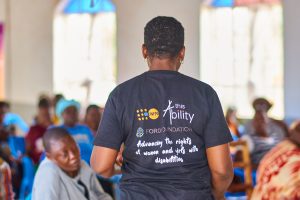
Truth: Accessible information supports informed decisions about menstruation, contraception, pregnancy, sexually transmitted infections, consent, and safety. It should be available in formats that meet individual needs, including plain language, Easy Read, audio, Braille, and sign language. Girls with disabilities also need age-appropriate information that helps them understand their bodies, recognise abuse, and seek support.
Myth 3: Having a disability means a woman cannot give consent
Truth: Disability alone does not establish an inability to consent. A woman may need information explained differently, more time, or communication support. These needs must not be mistaken for an absence of choice. Sexual consent must be freely given, informed, specific, and ongoing; it can be withdrawn at any time. Silence, dependence on a caregiver, or difficulty communicating must never be treated as agreement.
Myth 4: A caregiver can make intimate decisions for an adult woman with a disability
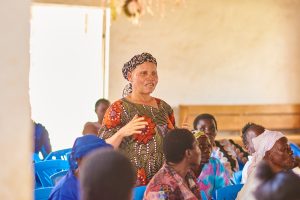
Truth: A caregiving role does not give someone ownership of another person’s body or choices. Support should help a woman understand options and express her own will and preferences, without coercion. Article 12 of the UN Convention on the Rights of Persons with Disabilities recognises equal legal capacity and access to support in exercising it, with safeguards against undue influence. UN Convention, Article 12
Myth 5: Women with disabilities cannot marry, become pregnant, or raise children
Truth: Disability is not a blanket measure of fertility or parenting ability. Individual health needs differ, and some women may require tailored healthcare or parenting support. Article 23 of the Convention calls for an end to discrimination in marriage, family, parenthood, and relationships. Choosing not to marry or have children deserves equal respect. UN Convention, Article 23
Myth 6: Accessible healthcare is only about ramps
Truth: A building can have a ramp and still exclude someone from care. Accessibility also means usable examination equipment, appropriate communication support, understandable information, affordable services, and privacy. A woman should be addressed directly and asked what support she needs, rather than having others speak for her by default.
From rights on paper to respectful care
These rights are not optional extras. Article 25 of the Convention requires non-discriminatory access to healthcare, including sexual and reproductive healthcare, and care based on free and informed consent. Article 16 addresses protection from exploitation, violence, and abuse. UN Convention, Articles 16 and 25
Kenyan research illustrates the implementation gap. An early-access study of 325 women and adolescent girls with disabilities aged 15-49 in Murang’a South identified provider communication, privacy, confidentiality, physical accessibility, and disability-inclusive information as factors associated with access to sexual and reproductive health and rights (SRHR) services. The findings concern that study population, not all women with disabilities in Kenya, but underline why inclusion must extend beyond physical access. BMC Public Health
For healthcare providers, respectful care starts with practical actions:
- Speak directly to the woman. Ask how she prefers to communicate and what adjustments she needs.
- Make consent accessible. Explain options clearly, allow time for questions, and check understanding without pressure.
- Protect confidentiality. Offer private consultation time and ask whom she wants involved in her care.
- Respond safely to violence. Explain confidentiality and its limits, provide accessible referral options, and avoid blame or assumptions.
How This Ability Trust is responding
Our work connects information, community participation, and skills-building. These programmes address different barriers to exercising rights; they do not replace the responsibility of health systems to provide inclusive care.
Mama Siri
Mama Siri provides a confidential, survivor-centred toll-free helpline and referral support for women and girls with disabilities in Kenya. The programme also builds community leadership and advocacy around SRHR and gender-based violence. Its purpose is to help women find information and support while strengthening their role in shaping services.
Hesabika
Hesabika uses a USSD registration platform and messaging tools to support disability data collection and communication with communities. USSD works through short codes on mobile phones without requiring an internet connection. Community-generated information can help identify needs that are overlooked in planning, but collection must protect privacy and be linked to action, not simply produce more records.
Skills
Our Skills programme includes distinct strands for healthcare providers and women with disabilities. Provider training focuses on disability-inclusive SRHR and challenging myths that affect care. Digital literacy and advocacy initiatives, including Digital Dadas, support young women with disabilities to access information, develop skills, and participate in public life. Together, these strands address both service-provider practices and women’s opportunities to exercise their rights.
Policy Recommendations
Progress requires clear responsibilities, dedicated resources, and accountability to women with disabilities. We call for action in four areas.
- Employ women with disabilities to support and enhance SRHR and SGBV prevention and response work in the community
The Ministry of Health should strengthen existing referral mechanisms within community health models using technology to employ with women with disabilities and close the gap among grassroots communities.
- Improve disability data collection using digital tools and community-generated data
The Ministry of Health should enhance disaggregated disability data collection through community participation by utilising low-bandwidth technology to improve policy implementation and investment decisions.
- Train healthcare providers on disability rights and inclusion
The Ministry of Health should enhance disaggregated disability data collection through community participation by utilising low-bandwidth technology to improve policy implementation and investment decisions.
- Empower women with disabilities to engage in decision-making and public participation processes
The Ministry of Health should hold inclusive public forums and community engagements that actively involve women with disabilities to amplify their voices, advance their rights, shape policy, challenge stigma, and build a more inclusive health system.
The test of inclusion is not whether a policy mentions women and girls with disabilities. It is whether a woman with a disability can get information she understands, receive care that respects her consent, and make decisions without being spoken over. Challenging myths is a beginning. Changing services and sharing decision-making power must follow.