Explore our Reports and Publications page to access and download the latest project evaluations, annual reports, research papers, and program impact assessments. These documents provide insights into our initiatives, financial performance, and the effectiveness of our programs. Simply click on the report titles to download. For any inquiries or further information, please contact us. Stay updated with our latest findings and be part of the change.
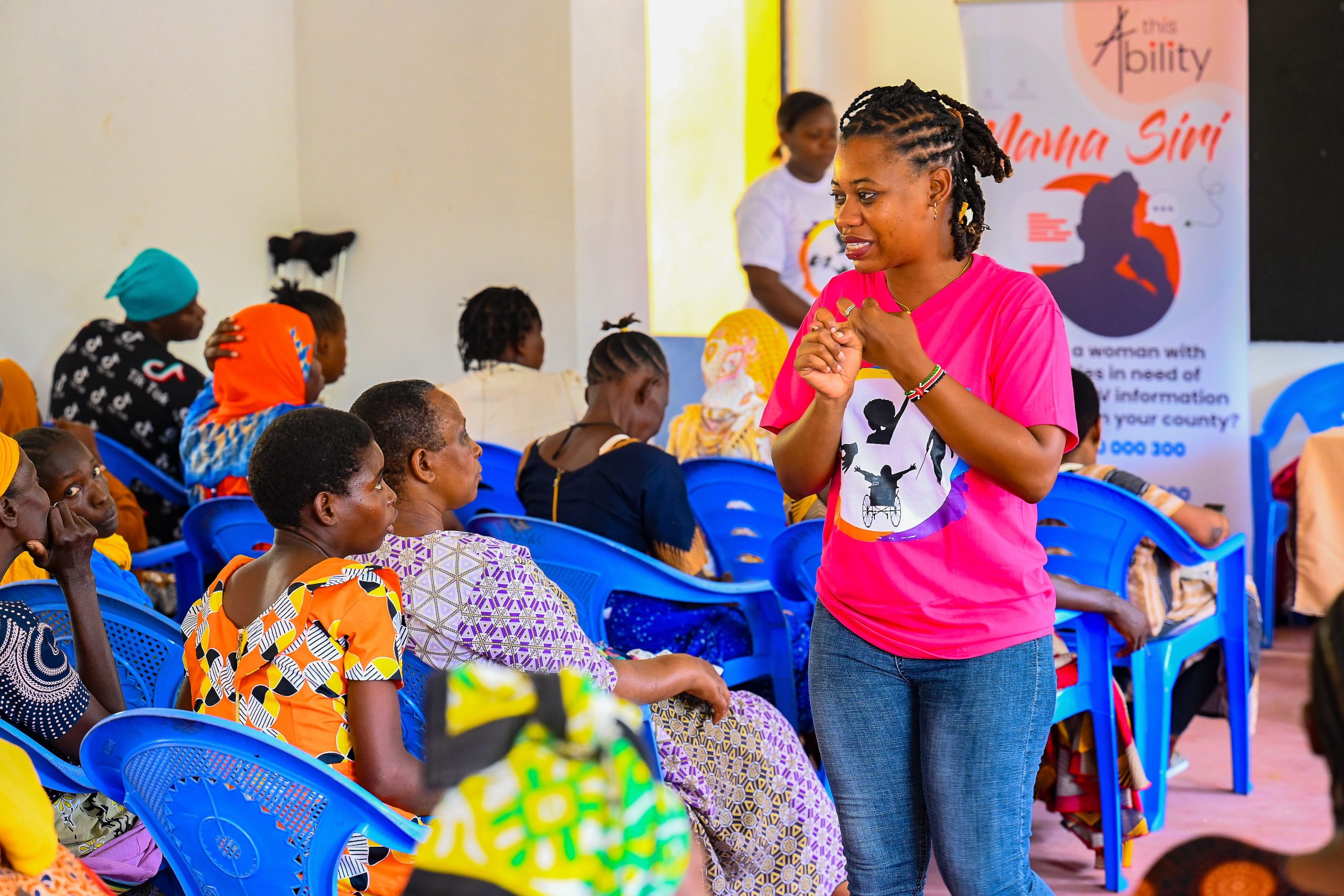
Mama Siri Training Graphics Representation is a visual training resource designed to strengthen the capacity of Mama Siri in accountability, quality data collection, reporting, and understanding Sexual and Gender-Based Violence (SGBV). It provides practical guidance to support accurate documentation and improve service delivery.
This study undertook a review of the economic status of women with disabilities. Several issues were explored, among them health, education, access to procurement opportunities, access to several domains (transport, built environments, and information) and social protection.
An analysis of the capacities of healthcare providers to offer quality sexual and reproductive
healthcare to women and girls with disabilities in Kenya
Disability statistics in Kenya have over the years recorded a significantly lower disability prevalence compared to the global 15% prevalence rate estimated by the World Health Organization. According to the 2019 census, 2.2% (0.9 million people) of Kenyans live with some form of disability.
The Festival provided a platform to enhance freedom of expression using different art forms that support body autonomy. It was a 5 day community event that initiated conversations from a holistic point of view, where women and girls with disabilities could express themselves through dance, community mental health sessions, coordinated graffiti art, spoken word, fashion and an exhibition market for products made by women with disabilities.
The gap in comprehensive data on women and girls with disabilities, particularly regarding their access to sexual
and reproductive health rights, creates a risk of designing programs and solutions that do not effectively address
their specific challenges and needs.