
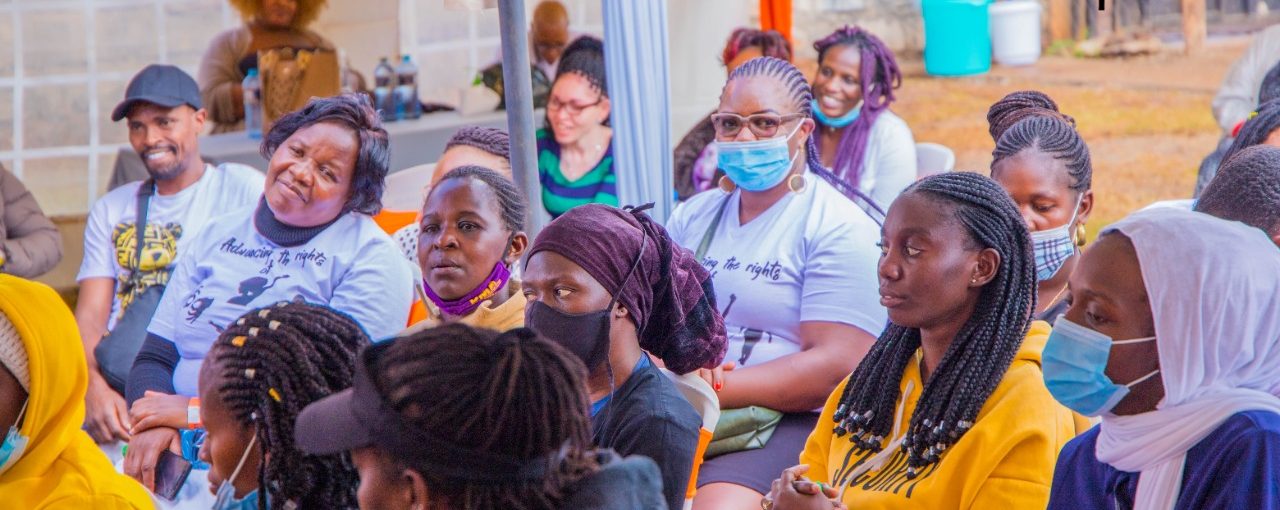
When the world locks down, violence does not.
During COVID-19, reports of gender-based violence surged across the globe while access to sexual and reproductive healthcare became increasingly difficult for millions of women and girls. For women with disabilities, the barriers were often even greater. As East Africa faces renewed concerns over Ebola transmission, the question is not whether another health emergency could disrupt lives and services. The question is whether governments, donors, and NGOs have learned enough from COVID-19 to prevent history from repeating itself. Preparedness cannot be measured solely by stockpiles, surveillance systems, and isolation units. It must also be measured by our readiness to protect the rights, safety, and bodily autonomy of those most at risk.
KEY STATISTICS
- 243 million women experienced GBV globally during COVID-19
- ~75% drop in SRH service access during peak lockdowns
- 2+ years of sustained disruption modelled by experts
- Parallel humanitarian crises emerged as domestic and sexual violence surged rapidly alongside international restrictions, stressing frontline civil society operations
What Covid-19 Revealed About Pandemic Blindspots
When the world braced for a respiratory pandemic in early 2020, most governments designed their emergency frameworks around hospitals, ventilators, and infection curves. What many failed to plan for was the parallel crisis unfolding behind locked doors, the surge in gender-based violence, the collapse of sexual and reproductive health services, and the erasure of emergency protection systems for survivors of sexual and gender-based violence (SGBV).
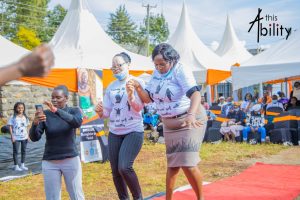
For NGOs on the front lines, organisations like This Ability Trust that work daily with women and girls with disabilities, survivors of abuse, and marginalised communities, this was no surprise. It was the predictable consequence of a preparedness model that treats essential health services as non-essential the moment a crisis hits.
“Bias, stigma, and discrimination in the healthcare system prevent women with disabilities from accessing healthcare.” — Lizzie Kiama, Managing Trustee, This Ability Trust (Skoll World Forum, 2023)
The question this blog poses is urgent and unresolved: if a pandemic comparable to or worse than Covid-19 were to emerge today, is the government apparatus working in genuine partnership with civil society and NGOs truly prepared to protect those most at risk?
Protecting Survivors When Shelters Close and Courts Go Silent
During COVID-19, reports of domestic violence and sexual abuse skyrocketed globally within weeks of lockdowns being imposed. Yet the infrastructure designed to support survivors, shelters, safe houses, police desks, legal aid offices, psychosocial support centres was simultaneously shut down, defunded, or overwhelmed.
Governments that had genuinely internalised the lessons of the pandemic would today have standing protocols that designate SGBV response services as emergency-essential from day one of any declared public health emergency. This means survivor safe houses remain open under bio-safe protocols, case management systems move to encrypted remote platforms, and survivor hotlines are pre-funded and pre-staffed to absorb demand surges of three to five times normal call volumes.
What a prepared government framework looks like:
- Pre-designated “essential status” for all GBV survivor services, legally enshrined before any emergency declaration
- Pre-positioned NGO emergency grants released automatically when a public health emergency is declared, with no re-application required
- Remote case management protocols tested and operational before any crisis emerges
- Dedicated GBV emergency lines staffed with trained counsellors, not repurposed call centres, e.g., Mama Siri Toll-free line 0800 000 300
- Safe house capacity doubled through hotel and accommodation partnerships activated at the emergency onset
- Community-level engagement and rapid-response programmes to address rising intimate partner violence
NGOs carry disproportionate responsibility in this ecosystem. Organisations working with survivors, particularly those serving women and girls with disabilities, understand that a government circular declaring “GBV services must continue” is meaningless without ring-fenced funding, PPE provision, legal operating authority, and coordination with security forces who may otherwise prevent outreach workers from reaching clients.
The post-COVID model must move from aspiration to architecture. Government and NGO partnerships need standing memoranda of understanding, not emergency negotiations conducted in crisis conditions built now, in peacetime, so they activate reliably when the next pandemic arrives.
Sexual & Reproductive Health Services Cannot Be Paused
One of the starkest failures of pandemic response in many countries was the treatment of sexual and reproductive health services as elective or secondary. Antenatal care, safe abortion access, family planning, HIV treatment, and STI management were routinely suspended or severely curtailed in the name of infection control. The mortality consequences were grave and largely undocumented.
Maternal deaths rose. Unsafe abortions increased. HIV viral load monitoring collapsed in communities where consistent treatment access had taken years to build. Contraceptive supply chains broke, contributing to a wave of unintended pregnancies that health systems are still managing.
“Every week that SRH services are suspended is a week that someone’s pregnancy becomes a danger. Preparedness must make reproductive care pandemic-proof.” — This Ability Trust, Policy Brief on the Sexual Reproductive Health Rights of Women and Girls with disabilities in Kenya (2023)
A government preparedness SRH checklist :
- Telemedicine SRH protocols developed and health workers trained before any outbreak, not improvised mid-crisis
- Contraceptive, ARV, and maternal health commodities held in three-month emergency stockpiles at district health facilities
- Community health workers and NGO outreach teams authorised and equipped to deliver SRH supplies during mobility restrictions
- Safe abortion services explicitly listed as essential healthcare in pandemic emergency legislation
- Dedicated supply chains for SRH commodities, separate from general pharmaceutical logistics
- Rapid deployment of NGO-led mobile clinics with appropriate infection prevention equipment
The role of NGOs here is irreplaceable. Where government health facilities face surge pressure, NGOs with SRH mandates serve as the distributed network that keeps communities connected to essential care. What they need is not heroism, but systems pre-authorised operating status, pre-positioned supplies, and pre-agreed data reporting mechanisms.
Last-mile delivery of Essential Health Supplies to Those Who Cannot Come to Them
During lockdowns, the people who most need health supplies are often the least able to access them. Persons with disabilities, elderly individuals, those in rural and peri-urban settings, survivors in safe houses, and individuals in communities with restricted movement all face compounded barriers to essential commodities.
A genuinely prepared government health system would have a last-mile delivery framework integrating community health worker networks, many of which are operated by NGOs, with logistics that can pivot from facility-based to door-to-door distribution within 72 hours of a lockdown announcement.
How governments can operationalise last-mile essential health delivery:
- Formal memoranda with NGOs, community health networks, and faith-based organisations as designated distribution agents
- Digital beneficiary registries maintained in peacetime to enable targeted delivery to vulnerable households from day one of any restriction
- Pre-negotiated transport waivers and movement authorisations for health outreach workers, embedded within emergency declaration instruments
- Drone and mobile health unit protocols tested and licensed in advance for remote areas
- Integration of disability-disaggregated data into supply planning so quantities reflect actual demand
- Dedicated budget lines within national emergency funds specifically for community-level SRH and GBV supply distribution
This Ability Trust, through Mama Siri, has consistently advocated for the inclusion of women and girls with disabilities in emergency preparedness planning, not as an afterthought, but as co-designers of response systems. Supply chains built with the assumption of mobility exclude by design; built around the reality of immobility, they serve everyone.
What happens if the Lockdown Lasts Two Years
Most pandemic emergency plans are designed for acute phases of six to twelve weeks of restriction followed by graduated reopening. Covid-19 shattered this assumption. In many contexts, restrictions lasted eighteen months to three years, with recurring waves that reversed any relaxation just as communities and service providers began to stabilise.
A two-year lockdown is not a longer version of a short lockdown; it’s a categorically different challenge. Supply chains that could be stretched for weeks break entirely over years. Mental health needs transform from acute crisis to chronic emergency. Civil society organisations face exhaustion, burnout, and financial ruin. GBV survivors who could not access services in week three are, by month eighteen, trapped in deepened cycles of abuse with radically reduced support networks.
Protracted emergency provisions governments must build in:
- Multi-year emergency funding mechanisms for NGOs, not quarterly grants requiring perpetual reapplication under crisis conditions
- Rotating staff support and mental health provisions for frontline civil society workers
- Legislative frameworks that sustain essential service authorisations beyond the initial declaration, without re-authorisation every 30 days
- Community resilience investment, local leaders, survivor networks, peer support groups, that sustain support when centralised NGO delivery becomes impossible
- Regular intersectoral reviews every three months, including NGO voices, survivor representatives, and disability organisations
- Economic safety nets targeting women, persons with disabilities, and informal sector workers facing disproportionate income loss
When a pandemic lasts two years, governments must ask honestly whether their emergency frameworks were designed for emergencies or for optics. Pre-positioned NGO partnerships, community-based monitoring, and disability-inclusive planning are expensive in peacetime, and the only things that work when the emergency arrives and lasts.
What Governments must have actually learned from COVID-19
The most important question of pandemic preparedness is political, not technical. After COVID-19, governments produced after-action reports that were comprehensive and often optimistic about institutional learning. The test of whether that learning is real comes only when the next crisis arrives.
From an NGO perspective, the lessons that matter aren’t primarily about vaccine rollout or hospital surge capacity; they’re about the invisible architecture of community protection: the networks, relationships, trusted intermediaries, and funding mechanisms that determine whether the most marginalised survive a protracted emergency or are forgotten by it.
Translating Pandemic Realities into Adaptive Public Governance
- SGBV and GBV services must be codified as essential from the first moment of any emergency, not after weeks of civil society advocacy
- SRH supply chains need structural separation from general medical logistics to prevent displacement in triage conditions
- NGOs are not supplementary to government response in communities; they often are the response
- Disability-disaggregated data must be collected from day one to enable targeted resource deployment
- Community health workers need professionalisation, livable wages, and legal protections that survive pandemic conditions
- Survivor-centred planning is a methodology, not a values statement survivor testimony must drive preparedness revision
- Preparedness for the next pandemic begins the day the previous one ends, not when the next outbreak appears
Readiness is not a declaration; it’s a system built before the storm
Preparedness should be measured not by the sophistication of government emergency declarations, but by whether a woman experiencing intimate partner violence in a locked-down household can access safety; whether a person with a disability in a rural community receives medication when no transport is operating; whether a pregnant woman in a hard-to-reach area receives antenatal care even when the clinic is repurposed for isolation.
These outcomes happen through sustained investment in the NGO ecosystem, genuine co-design of emergency systems with the communities they serve, and the political courage to treat gender equity and disability inclusion as public health infrastructure, not development values.
The question is not whether another pandemic will come. It will. The question is what we will have built between now and then, and for whom.
- Mandatory inclusion of SGBV/GBV and SRH provisions in all national pandemic preparedness plans, subject to civil society review
- Automatic emergency funding streams for frontline NGOs triggered by any national health emergency declaration
- Disability-inclusive emergency planning is enshrined in national legislation
- Community health worker professionalisation as a standing public health investment
- Annual government-NGO pandemic simulation exercises that explicitly test SGBV, SRH, and last-mile delivery scenarios